What’s Next for DVS Heat Transfer Systems in the Era of Smart Thermal Infrastructure
Wiki Article
A Comprehensive Guide to Choosing the Right Heat Transfer Equipments for Your Demands
Picking the ideal Heat transfer system is important for operational performance. Various systems provide to various needs, influenced by aspects such as temperature variety and liquid type. Understanding the principles behind Heat transfer, such as convection, conduction, and radiation, is important. Furthermore, evaluating power sources and upkeep methods can affect lasting efficiency. A closer examination of these factors to consider discloses how to tailor a system to specific requirements. What should one prioritize in this complex decision-making process?Recognizing Heat Transfer: Trick Principles and Principles
Although Heat transfer may feel like a straightforward concept, it incorporates a variety of principles that are basic for reliable system design. Comprehending these concepts is crucial for engineers and developers that intend to maximize thermal efficiency in different applications. Transmission, as an example, includes the transfer of Heat via strong materials, while convection describes the activity of Heat within liquids. Radiation, an additional vital principle, describes just how Heat can be transferred with electro-magnetic waves. Each of these systems plays an essential role in establishing how energy relocates within a system. By completely comprehending these ideas, specialists can make informed decisions, making sure that Heat transfer systems operate effectively and fulfill the specific demands of their applications
Kinds Of Heat Transfer Systems: An Introduction
Understanding the concepts of Heat transfer prepares for checking out the different types of Heat transfer systems readily available. Heat transfer systems can be classified mostly into 3 types: conduction, radiation, and convection. Transmission involves Heat transfer with solid materials, counting on direct call between particles. Convection, on the various other hand, happens in liquids (fluids and gases) where the motion of the liquid itself facilitates Heat transfer. Radiation entails the transfer of Heat through electro-magnetic waves and does not call for a tool, allowing it to take place in a vacuum. Each kind of system has distinct characteristics and applications, making it essential for people and organizations to thoroughly examine their details demands when choosing one of the most suitable Heat transfer option.Applications of Heat Transfer Solutions in Different Industries
Heat transfer systems play a necessary function throughout different sectors, influencing performance and product quality. In commercial production processes, they assist in precise temperature level control, while in food and beverage handling, they guarantee safety and conservation. Furthermore, cooling and heating and climate control systems rely greatly on effective Heat transfer to keep comfy environments.Industrial Production Processes

Many commercial production procedures rely greatly on efficient Heat transfer systems to optimize performance and improve item quality. In industries such as metalworking, Heat exchangers play a necessary function in keeping suitable temperatures throughout welding, casting, and creating. These systems ensure uniform Heat circulation, which is crucial for accomplishing wanted product buildings. In a similar way, in the chemical manufacturing industry, Heat transfer systems assist in accurate temperature level control during responses, impacting return and safety. In textile production, efficient Heat management is essential for coloring and ending up procedures, influencing color consistency and textile quality. By choosing appropriate Heat transfer modern technologies, makers can enhance power performance and minimize functional expenses, inevitably resulting in a much more lasting and competitive production setting.
Food and Drink Processing
Efficient Heat transfer systems are just as vital in the food and drink handling industry, where keeping suitable temperature levels is important for food safety and security and top quality. These systems play a vital function in procedures such as sterilization, food preparation, and pasteurization, ensuring that products are safe for usage and preserve their nutritional value. Heat exchangers, for example, efficiently move Heat in between fluids, maximizing energy usage while lessening temperature fluctuations. Furthermore, refrigeration systems are essential for maintaining disposable items and expanding service life. The selection of Heat transfer technology straight impacts functional performance and product honesty, making it important for food and drink producers to choose the proper systems customized to their certain processing requirements. This cautious choice inevitably adds to consumer satisfaction and food safety.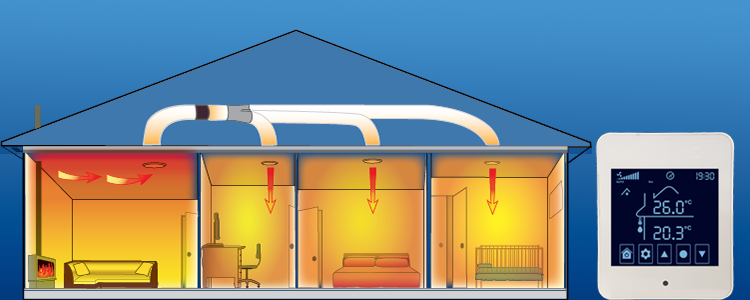
Heating And Cooling and Environment Control
While many industries depend on Heat transfer systems for effectiveness, HVAC (Home Heating, Air Flow, and Air Conditioning) plays an essential role in keeping indoor environment control across different setups. These systems use Heat transfer concepts to manage humidity, air, and temperature quality, ensuring convenience and safety and security in residential, industrial, and commercial environments. Appropriately developed a/c systems improve power efficiency, reduce operational expenses, and decrease ecological effect. In commercial structures, for example, efficient climate control adds to worker productivity and consumer satisfaction. In commercial applications, heating and cooling systems aid keep optimal conditions for devices procedure and item preservation. Selecting the best Heat transfer system is vital for meeting straight from the source details climate control requirements and achieving total system performance.Evaluating Power Sources for Heat Transfer Solutions
In assessing power resources for Heat transfer systems, a comparison of renewable power alternatives and nonrenewable fuel source considerations is vital. Renewable sources, such as solar and wind, offer lasting alternatives that can lower environmental influence. Alternatively, nonrenewable fuel sources continue to be prevalent because of their established facilities and energy density, triggering a mindful assessment of both alternatives.Renewable Energy Options

Nonrenewable Fuel Source Factors To Consider
Reviewing nonrenewable fuel source considerations is necessary for the effectiveness and sustainability of Heat transfer systems. Fossil fuels, such as gas, oil, and coal, are standard power sources that give substantial Heat result, making them prominent selections for household and commercial applications. Their environmental influence, including greenhouse gas discharges and resource deficiency, increases issues. When picking a heat transfer system, it is crucial to assess the schedule, price, and regulative variables related to these gas. Furthermore, the performance of nonrenewable fuel source systems should be thought about, as higher performance can reduce some environmental drawbacks. Inevitably, a balanced strategy considering efficiency and sustainability can guide decision-makers toward one of the most ideal Heat transfer solution for their specific requirements.Variables to Think About When Choosing a Warmth Transfer System
Choosing an appropriate Heat transfer system requires mindful consideration of numerous factors that can significantly affect performance and performance. One vital aspect is the operating temperature level array, which dictates the products and style appropriate for the application. Furthermore, the kind of fluid used in the system-- whether gas or fluid-- influences Heat transfer performance and compatibility. The system's dimension and ability should align with the particular needs of the procedure to avoid ineffectiveness. Energy source schedule is additionally important, affecting operating expense and sustainability. The installment setting, including area restrictions and access for upkeep, plays a significant role in system choice. Regulative conformity and security standards need to be taken into consideration to ensure the system satisfies all lawful demands.Upkeep and Effectiveness Optimization for Heat Transfer Solutions
Preserving Heat transfer systems is important for ensuring optimal effectiveness and durability. Routine upkeep activities, such as cleaning up Heat exchangers and evaluating insulation, help protect against performance losses due to fouling and thermal connecting. Additionally, keeping an eye on system specifications, including pressure and temperature level, enables very early detection of anomalies, reducing downtime and expensive fixings. Executing a preventative maintenance timetable can enhance efficiency and prolong the life-span of elements. In addition, upgrading to sophisticated control systems can improve functional effectiveness by adjusting to varying conditions and lots. By prioritizing upkeep and efficiency optimization, operators can accomplish minimized power intake, lower operational expenses, and enhanced overall system integrity, inevitably resulting in much better source use and an extra lasting procedure.Future Patterns in Heat Transfer Technologies
As markets progressively prioritize sustainability and energy efficiency, future trends in Heat transfer technologies are readied to go through considerable improvements. Developments such as innovative products, consisting of carbon nanotubes and nanofluids, guarantee improved thermal conductivity and effectiveness. Additionally, the combination of renewable resource sources right into Heat transfer systems is obtaining momentum, promoting eco-friendly options. Smart modern technologies, consisting of IoT sensing units, are anticipated to revolutionize monitoring and control, allowing real-time information evaluation for enhanced performance. Additionally, the development of compact and modular systems will promote much easier installation and maintenance, dealing with diverse applications. These developments show a change towards even more lasting, reliable, and adaptable Heat transfer remedies, lining up with international power goals and ecological criteria.
Often Asked Concerns
What Are the Environmental Effects of Heat Transfer Systems?
The ecological influences of Heat transfer systems can include greenhouse gas emissions, power intake, and possible thermal pollution. Additionally, improper disposal of inefficiencies and products can contribute to source depletion and ecological community disruption.Just how Do I Compute the Cost-Effectiveness of a Warm Transfer System?
To calculate the cost-effectiveness of a warmth transfer system, one have to evaluate preliminary expenses, operational costs, upkeep demands, and energy effectiveness, contrasting these factors versus the anticipated lifespan and efficiency of the system.Can Heat Transfer Solution Be Made Use Of in Residential Settings?
Heat transfer systems can without a doubt be utilized look these up in household settings. They offer reliable home heating and cooling down solutions, making homes extra comfortable while potentially lowering energy costs. Their adaptability permits various applications in domestic atmospheres.What Security Rules Relate To Heat Transfer Equipments?
Safety site link and security laws for Heat transfer systems normally consist of standards on setup, operation, and maintenance. Conformity with neighborhood building ordinance, manufacturer requirements, and industry standards is necessary to assure efficient and secure system efficiency in different applications.Exactly How Do Different Products Affect Heat Transfer Performance?
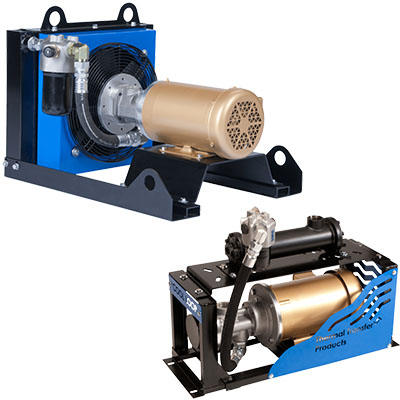
Conduction, for circumstances, involves the transfer of Heat via strong products, while convection refers to the motion of Heat within liquids. Recognizing the principles of Heat transfer lays the foundation for discovering the different types of Heat transfer systems offered. Heat exchangers, for circumstances, efficiently move Heat in between fluids, maximizing energy usage while minimizing temperature fluctuations. In assessing energy resources for Heat transfer systems, a contrast of eco-friendly energy options and fossil fuel considerations is vital. Metals, such as copper and aluminum, conduct Heat successfully, whereas insulators like rubber and glass reduce down Heat flow.
Report this wiki page